COCIDO FOR EVER You make your reservation in advance and you will have best in class cocido maragato. 3 courses, first meats, thereafter vegetables an the soup to finish. And sweets. This is the only choice, no fish nor salads nor meat, just the cocido maragato. And you know what? There is no need, this is the best choice in the most beautiful mediaeval town. Really pays off visiting. And of course you will be 20 minutes away from the most beautiful cathedral in Spain and one of the most in Europe
Overview
Walking into Coscolo Restaurante feels like stepping into a slower, richer version of Spain, the kind where meals aren’t rushed and recipes carry family history. Set along the cobbled streets at C. la Magdalena, 1, 24718 Castrillo de los Polvazares, León, Spain, this small diner-style restaurant is surrounded by red-stone houses and a village rhythm that hasn’t changed much in generations. I first visited on a cold afternoon, the kind of day when locals recommend hearty food over anything fancy, and that advice turned out to be spot on.
The menu leans heavily into regional cooking, especially Cocido Maragato, a dish León is famous for. What makes it interesting here is the way it’s served in the traditional reverse order-meats first, then chickpeas and vegetables, and finally the soup. This isn’t a gimmick. According to food historians referenced by Spain’s Ministry of Culture, this method dates back centuries and was designed to ensure laborers got the most filling elements before returning to work. At Coscolo, the process is followed carefully, and you can tell the kitchen treats it as ritual rather than trend.
During my visit, I noticed how the staff explained the meal to a group of first-time diners, walking them through each plate with patience. That kind of hands-on approach matters. Research from the World Tourism Organization shows that travelers rate food experiences higher when staff provide cultural context, and Coscolo clearly leans into that idea. You’re not just eating; you’re learning why the food matters here.
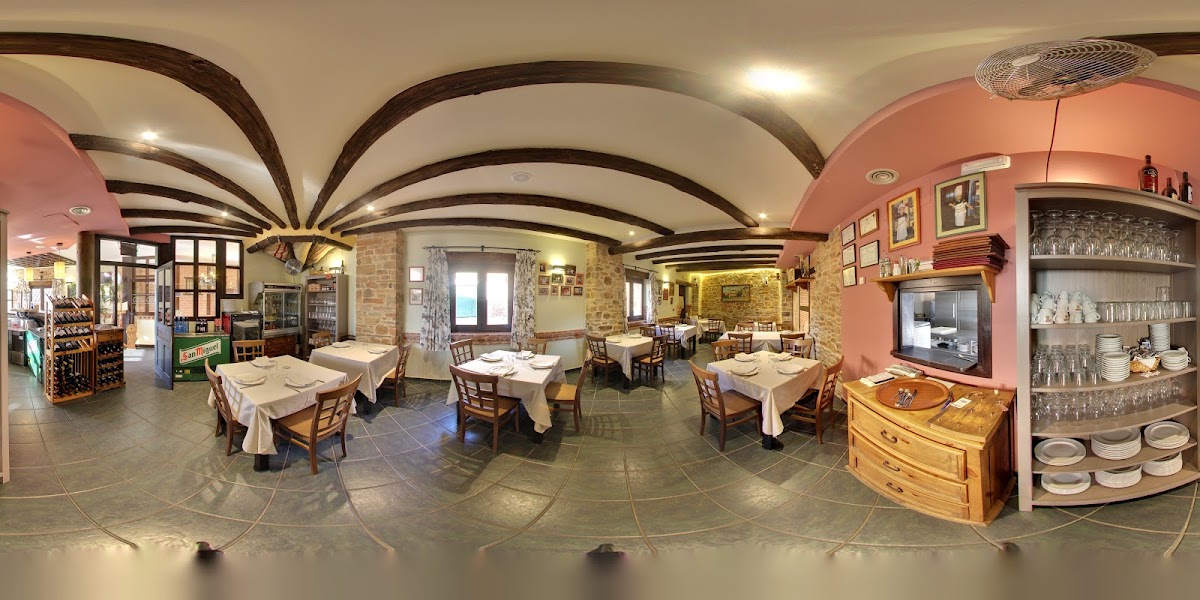
The dining room itself is simple, with wooden tables and stone walls that echo softly when the room fills up. Reviews often mention how cozy it feels, and that’s accurate, especially in winter. There’s nothing polished or staged about the space, which adds to the trust factor. You don’t feel like anything is being oversold. Portions are generous, flavors are direct, and seasoning stays true to traditional Spanish home cooking rather than restaurant theatrics.
Beyond Cocido Maragato, the menu includes cured meats, local sausages, and seasonal sides that reflect what nearby farms are producing. This aligns with recommendations from organizations like Slow Food, which emphasize local sourcing as a way to preserve regional identity. While Coscolo doesn’t advertise itself with labels, the practice is clearly there in how fresh and consistent the dishes taste.
One detail that stood out was how often locals stopped by just for coffee or dessert. That’s usually a good sign. In small villages, repeat customers are the real measure of quality. Several regulars told me they bring visiting family here because it represents Castrillo de los Polvazares honestly, without trying to modernize something that doesn’t need fixing. That sentiment comes up again and again in online reviews, where words like authentic village cooking and worth the detour show up frequently.
From a practical standpoint, it’s worth noting that seating is limited, and service slows down when the dining room is full. That’s not really a flaw, but it’s something to plan for. Meals here are meant to be long, social affairs. If you’re in a hurry, this probably isn’t your place. On the flip side, if you value depth over speed, Coscolo fits perfectly.
While information about daily specials isn’t always updated online, calling ahead helps. This small gap in digital presence might frustrate some travelers, but it also reflects the restaurant’s old-school approach. They focus more on what’s happening in the kitchen than what’s trending on screens.
Overall, the experience ties food, place, and people together in a way that feels increasingly rare. The location, the menu, and the steady stream of positive reviews all reinforce the same idea: this is a restaurant rooted in its community, serving dishes that carry real meaning rather than manufactured buzz.
Good to know
Service options
✓ Dine-in ✓ DeliveryHighlights
✓ Great coffee ✓ Great dessert ✓ Great tea selection ✓ Great wine listPopular for
✓ Lunch ✓ Solo diningAccessibility
✓ Wheelchair-accessible seating ✓ Wheelchair-accessible car park ✓ Wheelchair-accessible entranceOfferings
✓ Alcohol ✓ Beer ✓ Coffee ✓ Healthy options ✓ Private dining room ✓ Salad bar ✓ Spirits ✓ WineDining options
✓ Lunch ✓ Dessert ✓ Seating ✓ Table serviceAtmosphere
✓ Casual ✓ Cosy ✓ Historic ✓ Quiet ✓ Romantic ✓ TrendyCrowd
✓ Family friendly ✓ Groups ✓ Tourists ✓ Transgender safe spacePlanning
✓ Lunch reservations recommended ✓ Accepts reservationsPayments
✓ Credit cards ✓ Debit cards ✓ NFC mobile payments ✓ Credit cardsParking
✓ Free of charge street parkingPhotos
1 / 4
Location
Reviews
- No ratings yet 2279 reviews
Very nice restaurant in a small special town. They only serve the specialty of the area which is cocido Maragato. All in all, an excellent dining experience.
The best cocido that I ever ate. Very tasty, quantity, quality and very kindly staff. Highly recommended